Insights
How can one evaluate the worth of an artwork?
“The Elements to Consider When Determining the Value of an Artwork”
Assessing the value of a work of art is a complex process that takes into account several factors.
Picasso, « un génie sans piédestal »—Mucem
Pablo Picasso dans son atelier Le Fournas à Vallauris en 1953
© edwardquinn.com
Let’s look at eight key aspects of the art appraisal process:
Recognition and fame of the artist
The artist’s reputation and recognition are key factors in assessing the value of an artwork. Established and respected artists often benefit from a higher intrinsic value due to their reputation and their contribution to the history of art.
This recognition is acquired through major exhibitions, positive critical reviews, prestigious awards, and inclusion in renowned museum collections, which generates strong interest from collectors and helps maintain the value of their works in the art market.
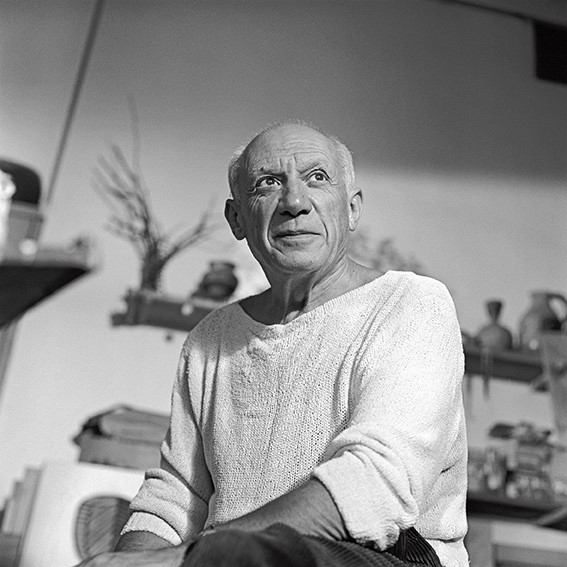
Picasso, “a genius without a pedestal” — Mucem
Pablo Picasso in his studio Le Fournas in Vallauris in 1953
© edwardquinn.com
Aesthetic and artistic quality of the artwork
The impact of the aesthetic and artistic quality of an artwork on its value is undeniable. This characteristic is based on a combination of factors, ranging from technical mastery to emotional expression.
First, the technical quality of the artwork plays an essential role. Pieces that demonstrate a high level of skill in their execution, whether in the precision of lines, the handling of materials, or the complexity of composition, are often highly valued.
On the other hand, the emotional impact of an artwork on the viewer is just as important. Works that succeed in evoking deep emotions—whether joyful, melancholic, contemplative, or provocative—tend to capture attention and create a lasting connection with their audience.
Thus, this fusion of technical skill and artistic expression often leads to a greater appreciation of the artwork and, consequently, a higher value on the art market.
Rarity of the artwork
The rarity of an artwork is a determining factor in its market value. When an artwork is rare, especially if it is unique or if only a few examples exist, its intrinsic value is often higher.
This rarity can result from various circumstances. Sometimes it is linked to the very nature of the work: a unique creation, for example, or a limited series produced by the artist. In other cases, rarity may result from external circumstances, such as the disappearance or destruction of certain pieces over time.
Whatever the reason for its rarity, it gives the artwork an exceptional and highly sought-after character. Collectors and art enthusiasts are often willing to invest more in rare works, recognizing their value as unique or scarce testimonies of the artist’s talent and creativity.

Gustav Klimt, The Kiss, 1908–1909
Oil and gold leaf on canvas
180 × 180 cm
Belvedere Palace, Vienna
© Wikimedia Commons
Cultural influence of the artwork and the artist
The cultural influence of an artwork and its artist can play a crucial role in determining its value.
Works that have marked a turning point in art history, influenced other artists, or sparked debates and reflection within society often hold a higher intrinsic value. The cultural influence of an artwork can be measured by its impact on artistic trends, on the perception of social or political issues, or even on how it has been received by the general public.
Similarly, artists whose work has left a lasting imprint on the cultural landscape, who have innovated within their field, or who have been standard-bearers of major artistic movements may see the value of their works increase accordingly.
These factors thus help shape the reputation of both the artist and their work, which is often reflected in their value on the art market.

Marina Abramović, The Artist Is Present, 2010
Performance at the Museum of Modern Art, New York, March 9 – May 31, 2010
March 9, 2010
© Andrew Russeth
© Wikimedia Commons
Provenance history
The provenance history of an artwork can have a significant impact on its value.
An artwork that has been owned by renowned collectors or that has an interesting history behind it may generate increased interest from collectors. For example, if a work has been exhibited in prestigious institutions or mentioned in specialized publications, this can enhance its value by demonstrating its recognition and importance in the art world.
In addition, provenance can also be an indicator of the artwork’s authenticity. Works with well-documented and verifiable provenance are generally considered more reliable and therefore more valuable on the market.
In short, the provenance history of an artwork can add an additional dimension to its value by providing information about its past and confirming its quality and importance in the art world.
Trends and fluctuations in the art market
Fluctuations in the art market play a crucial role in the valuation of artworks.
When an artist suddenly gains popularity, it can have a significant impact on the value of their existing works. This increase in demand may lead to higher prices in the art market, as collectors are willing to pay more to acquire works by a trending artist. Similarly, artistic trends and movements can influence buyers’ preferences, resulting in fluctuations in artwork value depending on their relevance within the current artistic context.
However, it is important to note that these trends are often subject to change and can be influenced by external factors such as the economy, cultural events, or market actions. Therefore, while art market trends can play a role in valuing artworks, other factors such as artistic quality, rarity, and cultural influence also continue to affect their intrinsic value.
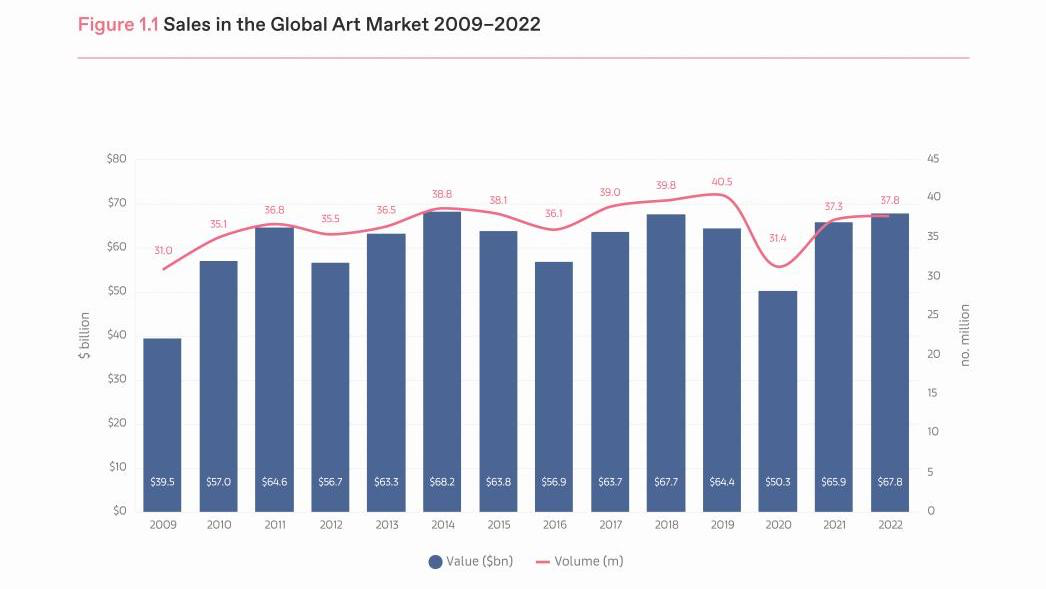
Art Basel–UBS Report: The Art Market 2023, published on April 4, 2023
Chart representing sales figures in the global art market from 2009 to 2022
© Art Basel and UBS Art Market Report 2023
Marketing and promotion
Marketing and promotion are essential aspects in valuing a work of art. A well-thought-out strategy can increase the visibility of the work, generate interest from collectors, and boost demand.
Through carefully curated exhibitions, high-quality publications, and an active presence on online platforms, an artwork can gain visibility and prestige.
Effective promotion can also associate the work with renowned art events or collaborations with other recognized artists, thereby strengthening its attractiveness and its price on the art market.
In short, marketing and promotion can play a decisive role in increasing the value of an artwork.

View of the exhibition “The World As It Goes”, Bourse de Commerce – Pinault Collection, Paris, 2024
© Tadao Ando Architect & Associates, Niney et Marca Architects, Pierre-Antoine Gatier agency. Photo: Florent Michel/11h45/Pinault Collection.
© Kimsooja/ADAGP, Paris, 2024.
Condition and conservation of the artwork
The condition of preservation of an artwork is a crucial aspect of its value.
An artwork in pristine condition not only reflects the care taken in its preservation but also its authenticity. Collectors value pieces that retain their original integrity, as they offer an authentic artistic experience that remains faithful to the artist’s vision.
On the other hand, artworks that have suffered damage, alterations, or significant restoration may see their value decrease. These changes can compromise the integrity of the work, which may discourage collectors from acquiring them at a high price.
In summary, the condition of preservation is a determining factor in the value of an artwork. Well-preserved pieces in good condition tend to be more sought after in the art market due to their authenticity and preserved artistic integrity.
In conclusion, assessing the value of an artwork is a complex process that takes into account a multitude of factors, ranging from the artist’s reputation to the condition of preservation of the work, each element contributing to determining its importance and appeal in the art market.