Insights
How to ensure the authenticity of an artwork?
“The steps to follow to ensure the authenticity of a work of art”
In the art world, where forgeries and fakes abound, ensuring the authenticity of an artwork is a major concern for collectors, galleries, and art enthusiasts. Understanding the methods for verifying the authenticity of a piece is essential for preserving the integrity of the art market and ensuring the value of collections.
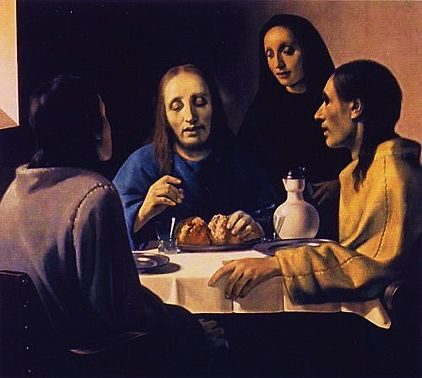
Les Disciples d’Emmaus, “Fake” Vermeer painting, painted by Han Van Meegeren in 1936
©Art and the Bible
Here are the six main ways to ensure the authenticity of an artwork:
Specialized Expertise
Engaging specialized experts is one of the most reliable methods to verify whether an artwork is authentic. Their in-depth expertise in the artist’s style, technique, and period can enable them to spot telltale signs of a genuine work or a forgery.
Turning to these experts, collectors gain informed advice, which can contribute to bolstering their confidence in the authenticity of their acquisition.

The expert meticulously examines every aspect of the object with his magnifying glass, searching for hidden details.
©Interencheres.com
Provenance
Provenance, or the ownership history of the artwork from its creation to the present day, is a crucial element in assessing its authenticity. By carefully scrutinizing an artwork’s history, collectors can better understand its value and historical and cultural significance, but more importantly, this traceability provides them with the assurance that the artwork they are acquiring is authentic and legitimate.
Well-established provenance, documented accurately and supported by tangible evidence such as invoices, letters, or certificates of authenticity, enhances the credibility of the artwork.
Certificates of Authenticity
Certificates of authenticity issued by recognized experts or by the artist’s estate are official documents that attest to the authenticity of an artwork.
These certificates allow collectors to obtain additional assurance and thus contribute to maintaining the integrity of the art market.
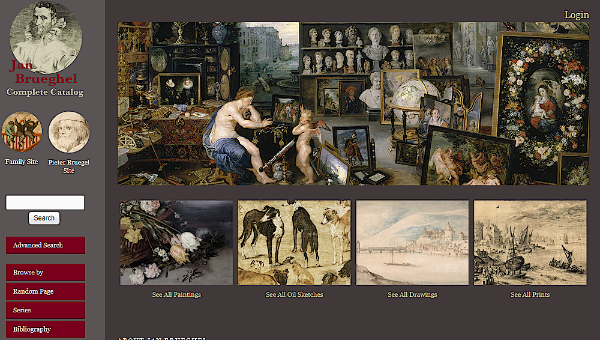
Jan Brueghel Complete Catalog
Homepage of the catalog, @University of California
© Elizabeth Honig 2021
Consultation of Archives, Biographical Studies, and Catalogues Raisonnés
Exploring archives, delving into biographical studies, and consulting catalogues raisonnés are crucial steps in ensuring the authenticity of an artwork.
By scrutinizing archives, researchers may discover tangible evidence attesting to the existence and legitimacy of a piece.
Catalogues raisonnés, on the other hand, comprehensively list all known works by an artist, providing an essential reference framework for identifying forgeries.
Finally, biographical studies help contextualize the artwork within the artist’s life and work, shedding light on its authenticity in the context of their personal and artistic history.
Thus, consulting these various documents is an indispensable step in the process of authenticating an artwork, offering collectors a clearer and more comprehensive view of its legitimacy.